
We know that one of the keys to successful classroom management is consistency. But this can be easier said than done, especially in a classroom full of five- and six-year-olds! Maintaining behavior expectations for kindergarten throughout all of the ups and downs of a school year can be a challenge. However, with the right strategies, you can maintain consistency and build positive relationships with your students.

The Importance of Behavior Expectations in Kindergarten
Setting behavior expectations early in the school year is essential for classroom management, particularly in kindergarten. After all, we can’t expect students to hit a target that they don’t even know exists! Young kindergarteners are often in a classroom setting for the first time, so it’s important to teach behavior expectations as soon as possible. When students have been explicitly taught what is expected of them throughout the daily routine, they are more likely to meet those expectations.
How to Maintain Behavior Expectations All Year
It’s natural for behavior expectations to loosen up as the school year progresses. In fact, it’s common for teachers to say the “honeymoon” is over a few months into the school year. Luckily, there are things you can do to make sure that your students continue to meet behavior expectations as the year ramps up.
1. Build a Strong Foundation
If you want your classroom management to stay strong all year long, it’s important to build a strong foundation of behavior expectations. Take plenty of time at the beginning of the year to teach and reteach the behavior expectations in your classroom. Once that foundation has been established, it’s much easier to maintain those expectations throughout all of the speed bumps and hurdles you will encounter during the school year.
One way to make sure your foundation is strong is to ensure that you keep things simple. You don’t have to give students a long list of rules! Instead, focus on setting classroom expectations that are clear and simple for students to understand and remember.
2. Focus on Positive Behavior
Once you have established your classroom expectations, it’s time to catch students meeting them! Students are more likely to maintain expectations of positive behavior when they are being recognized for their effort. They also tend to replicate what receives your attention. For example, if a student discovers that they get more of your attention when they are misbehaving than when they are meeting classroom expectations, they are more likely to continue that negative behavior.

Using whole group reward systems along with glow and grow notes can bring some much-needed focus on the positive behavior happening in your classroom. When you shine a light on the good choices your students make, they will be more likely to meet your behavior expectations all year long.
3. Incorporate Seasonal Fun
Even the most effective methods of rewarding positive behavior can start to become stale as the year progresses. What was motivating for students one month might be less engaging for students the next. This is when some seasonal fun can come in handy!

It’s amazing how something as simple as a holiday-themed reward chart can motivate students to work toward a behavior goal! This is a great way to keep behavior on track, especially as holidays approach. One of the biggest hurdles to classroom behavior is when upcoming events add extra excitement to the air. A themed reward chart can help to harness some of that seasonal energy and keep behavior on track.
4. Revisit as Necessary
Maintaining behavior expectations all year doesn’t mean setting them and forgetting them. It’s important to revisit them as necessary throughout the school year. This might mean reteaching choices for sitting at the carpet, practicing line-up procedures, or reviewing any expectations that seem to have loosened up.

One of my favorite ways to revisit behavior expectations is by setting goals for the class to work towards. If you notice that your class is having trouble with excessive talking during independent work time, you could set a goal for working quietly. Then you can watch for students who are meeting that goal during independent work time and choose them to add a piece to the whole group reward chart. Once the chart has been completed, the class earns a simple reward.
By repeating this process as needed throughout the year, you can address behavior challenges and maintain your classroom expectations. It’s a simple process that can have a huge impact on behavior in the classroom.
5. Add Individual Behavior Support
As helpful as it can be to use a whole group reward system to maintain positive behavior, individual students might need some additional support. This is when individual reward systems can come in handy! There are many different formats that you can try to find the reward system that works best for your students.
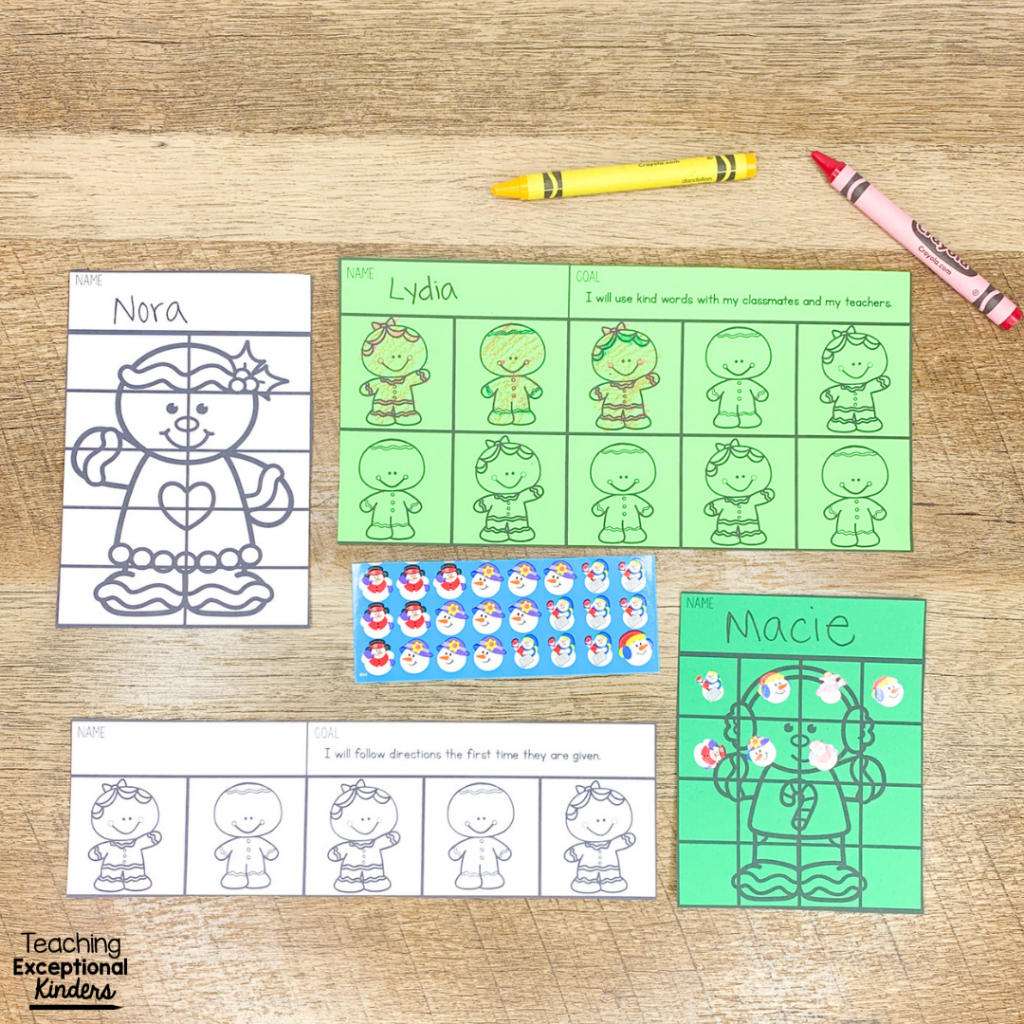
This could include sticker charts, token boards, or other individual behavior charts. No matter what you decide to use, individual reward charts can help students focus on specific behavior expectations that are challenging for them. When they are rewarded for their effort, they will be more likely to keep trying to meet those behavior expectations!
Kindergarten Management Toolbox
If you’re ready for a long-term solution for managing behavior in your classroom, you’ll love the Kindergarten Management Toolbox. This one-stop library of highly-effective behavior and classroom management tools will help you maintain behavior expectations all year long.

This membership provides unlimited access to a resource library of over $500 worth of resources, with new resources added routinely throughout the year. If you’d like to take a closer look at everything included in the Kindergarten Management Toolbox, just click below to learn more!
Save These Tips for Maintaining Behavior Expectations for Kindergarten
Be sure to save this post so you can come back to it later! Just add the pin below to your favorite classroom management Pinterest board. You’ll be able to quickly find these tips and resources when you’re looking for ways to support student behavior in your classroom.
