
One of the biggest hurdles for kindergarten teachers is keeping students engaged in classroom activities. It can be tough to keep students engaged and motivated, but it is essential for the classroom to run smoothly. A lack of student engagement can lead to classroom disruptions, missed instruction, and behavior problems. In this post, I’m going to share simple engagement strategies for kindergarten that can keep students on track and learning.

Hurdles to Student Engagement
When we think about keeping students engaged in learning, we often think of the way lessons are presented. If students aren’t engaged in a lesson, the first place we look is the content we’re teaching or the way we are teaching it. These can be a large factor in keeping students engaged in learning! However, some of the most common hurdles to student engagement occur before the lesson even begins.
Engagement Strategies for Kindergarten
These engagement strategies for kindergarten can be applied to any classroom situation and to any lesson. Whether students are sitting at the carpet for a read-aloud, working at a small group table, or rotating through centers, these strategies will help you build a foundation that keeps students engaged in learning.
1. Build Relationships
We can’t expect students to participate meaningfully in classroom discussions and activities if they don’t feel connected to their teacher or their peers. It is easy for students to take the role of a passive bystander during lessons and classroom activities when they haven’t built meaningful relationships.

One of my pet peeves is when people say we should “build relationships” without giving any actionable tips for how to do that. This is why I wrote an entire blog post about how to build relationships in the kindergarten classroom. As you work to connect with your students and give them opportunities to build relationships with their peers, you’ll likely find that there’s a trickle-down effect in student engagement.
2. Limit Distractions
It’s hard for young kindergarten students to focus when the classroom environment is full of distractions, particularly behavior that disrupts learning. By focusing on behavior management strategies that improve positive behavior, you can significantly cut down on distractions in the classroom.

For example, you might use a whole group reward system to help the classroom work more quietly. When you notice that a student is working quietly at their desk during centers time, you can point them out to the class and have the student add to the reward chart. Once the chart is complete, the whole class earns a simple reward.
Over time, you can use rewards to increase any positive behavior that you’d like to see in the classroom. These positive behaviors will significantly decrease the negative and disruptive behavior that can impact student engagement.
3. Lean on Routines
We know that keeping things fresh can improve student engagement, but predictable routines can be just as effective! When students have to spend brain power on navigating a new routine, it will be more challenging for them to stay focused on the actual content of the lesson.
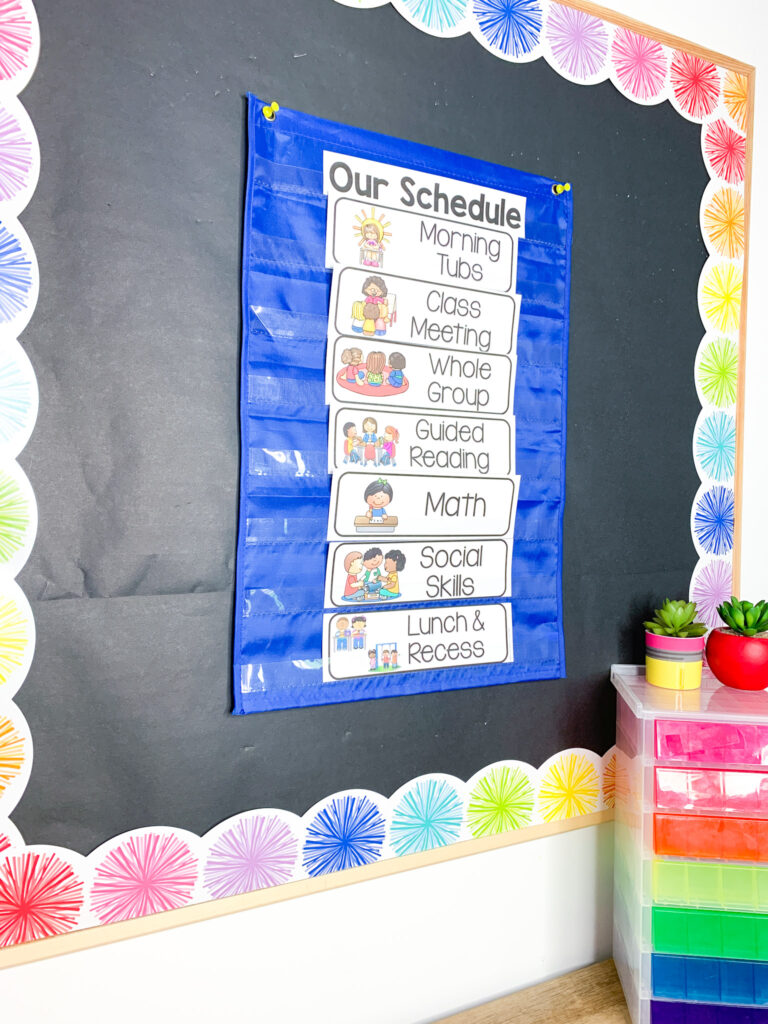
Instead, consistent routines can help students stay ready to learn. They will know what is expected of them at any given point in the day. They will also know what to expect from the daily schedule. For example, a student in a classroom with a consistent routine will know when the next break is coming, so they will be more likely to think about the content of the lesson than wonder if it’s almost recess time.
4. Teach Self-Regulation Skills
It’s helpful when students can recognize that they might need to take a break in order to stay engaged in learning. When students are able to recognize this independently, they are more likely to take care of their own needs without disrupting the class.
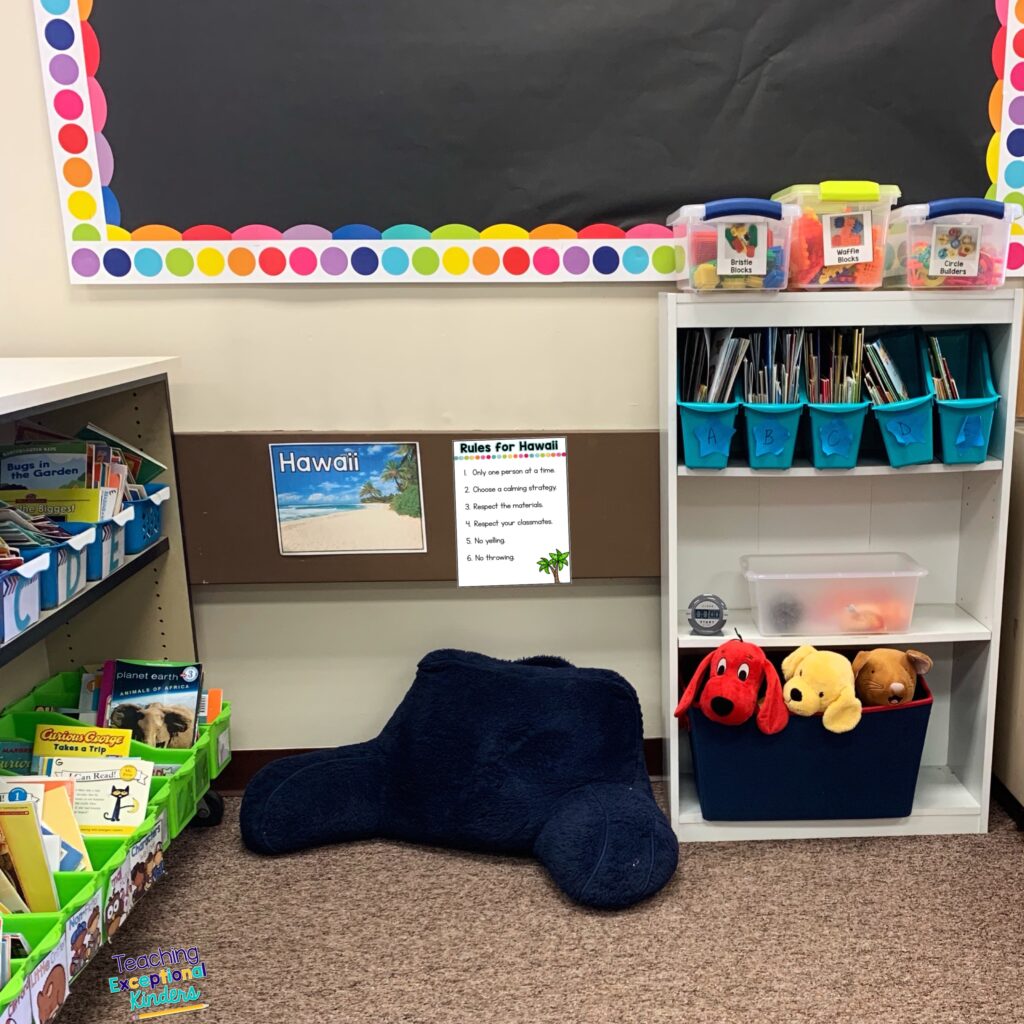
A classroom calming area can be a great place for students to independently work through feelings that are impacting their learning. At any point during the day, students might feel overwhelmed by an activity, irritated by a table mate, or exhausted from working hard on a task. A calming area can give students the space and tools they need to deal with those feelings and then get back to work. This can go a long way in helping students stay engaged in learning while limiting distractions for their peers.
5. Use Visuals
Visuals are such an important tool in the kindergarten classroom! There are so many ways that visual supports can increase student engagement in kindergarten. Students are more likely to follow along with verbal directions when there are visuals to go along with each step.

Visuals can also help students stay engaged on task during independent work time. You can provide visual direction cards so students know what to do at each station. This can also include an early finisher suggestion so students can stay engaged until it’s time to move to a different center.
Kindergarten Behavior Blueprint
If you would like to incorporate these engagement strategies into your kindergarten classroom, I have a great place to start! The Kindergarten Behavior Blueprint helps you build a solid foundation of behavior management that incorporates many of the engagement strategies that I mentioned in this post.

In this course, you will learn how to build behavior systems that can cut down on student disruptions. You will also learn about building relationships with your students that can improve buy-in and motivation. The course will also teach you how to increase student independence through visual supports and routines. This foundation will significantly improve student engagement in your classroom.
If this sounds like something you’d be interested in adding to your teacher toolbox, just click below to take a closer look at the Kindergarten Behavior Blueprint!
Save These Engagement Strategies for Kindergarten
Be sure to save this post so you can come back to it later! Just add the pin below to your favorite kindergarten board on Pinterest. You’ll be able to quickly find these engagement strategies when you’re looking for ways to keep your students motivated and on track in the classroom!
