
It can be disheartening when students seem to be arguing with each other all the time. It can feel like you never have time to teach because you’re constantly dealing with conflicts among students! In this post, I’m going to share how effective classroom management can create an environment that will prevent some of the most common forms of student conflict.

5 Ways to Prevent Conflict with Classroom Management
When we think about conflicts among students in our classrooms, the immediate thought is often conflict resolution. Instead of thinking only about how to resolve conflicts in the classroom, we should think about how to prevent them in the first place. An effective classroom management plan can go a long way in preventing student arguments and conflicts.
1. Preventing Line-Up Conflicts
One of the most common sources of conflict in kindergarten is line-up time. Whether students are lining up in class, at recess, or after specialist class, there are often complaints and arguments about students cutting in line, touching each other, refusing to get in line, and so on.
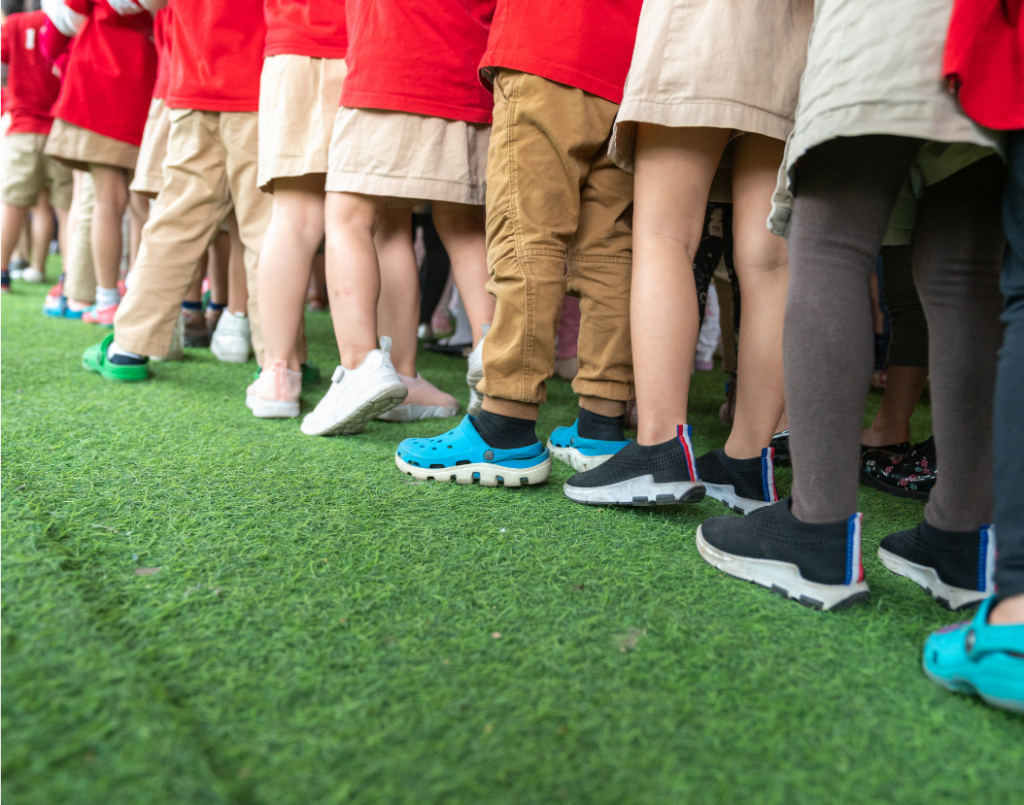
Teaching and reteaching procedures like lining up is an important aspect of classroom management. When students understand the expectations of the line-up procedure and you hold them to those expectations, student conflicts are much less likely to happen. Be sure to check out my blog post that walks you through my tips for lining up without the chaos!
2. Preventing Carpet Time Conflicts
Kindergarteners often get annoyed with each other when they have to sit close together at carpet time. One student is taking up too much space. Another student is blocking the view of the people behind them. Students interrupt each other during the discussion by talking out of turn.
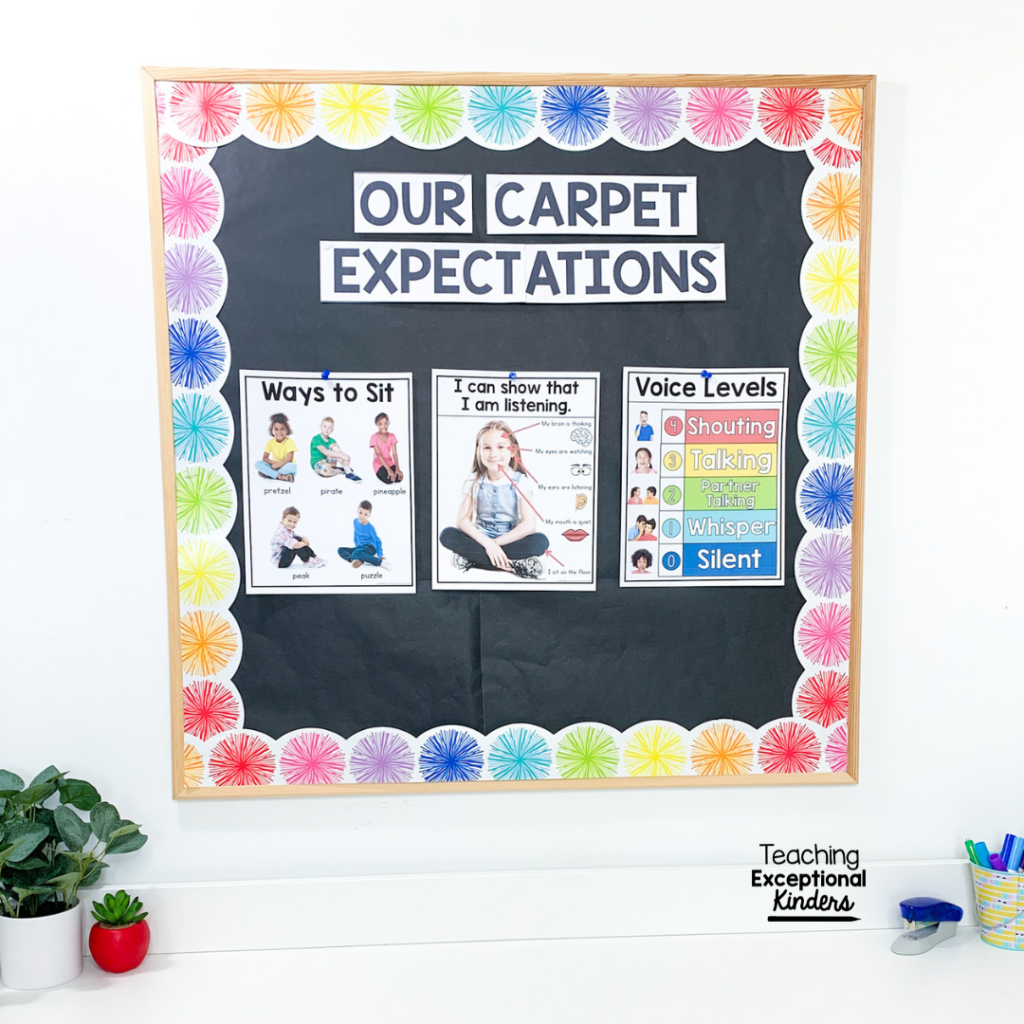
There are many classroom management strategies that you can use to prevent conflicts among students at carpet time. One of the most effective strategies is to allow students to choose how to sit on the carpet. This gives them the option to choose a position that is comfortable for them while also being mindful of their peers. When students are more comfortable, they are less likely to squirm and bother the classmates around them. By keeping your carpet time expectations posted near your instructional area, you can quickly revisit them whenever you need to.
3. Preventing “He Said, She Said” Conflicts
Many of the conflicts that arise between students are verbal in nature. What starts as a friendly conversation can quickly turn into arguments that result in tattling. This can happen very quickly during conversations between young kindergarteners! Plus, more often than not, these arguments take place during times when the students should have been working on something productive in class instead of talking.
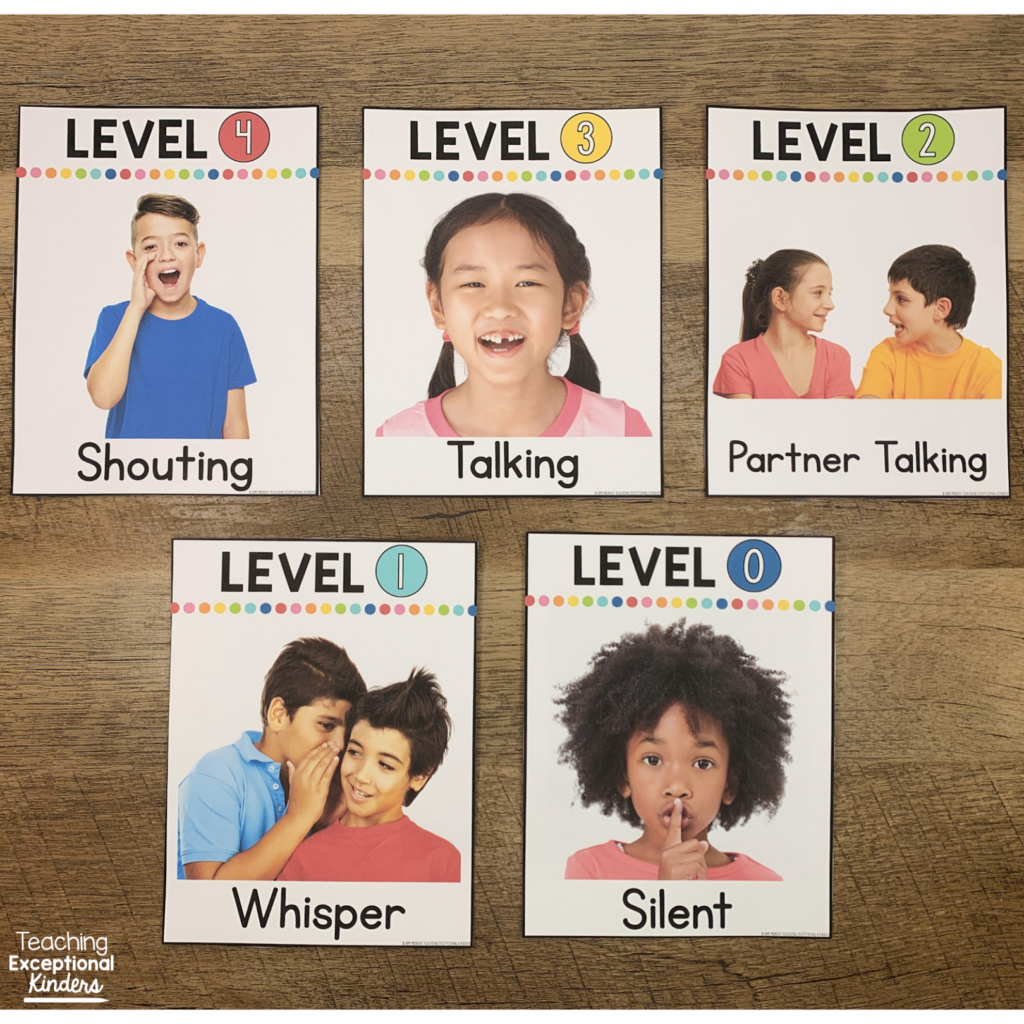
Even though there will always be verbal arguments and conflicts between students, classroom management can prevent some of them. By teaching students about acceptable voice levels during classroom conversations, you can cut back on the amount of unstructured and unnecessary chatter that students have when they should be working.
4. Preventing Conflicts from Student Policing
Kindergarteners love to boss each other around, especially when they notice that their peers aren’t following the rules. This can add a lot of conflict to the classroom routine, with students frequently bickering about who did something wrong.

Students police each other more often in classrooms that lack effective behavior management. If the expectations aren’t being carried out by the teacher, some students will take it upon themselves to do it. On the other hand, when your kindergarteners see that you notice and hold students accountable for negative behaviors in the classroom, they will be more likely to leave that job to you!
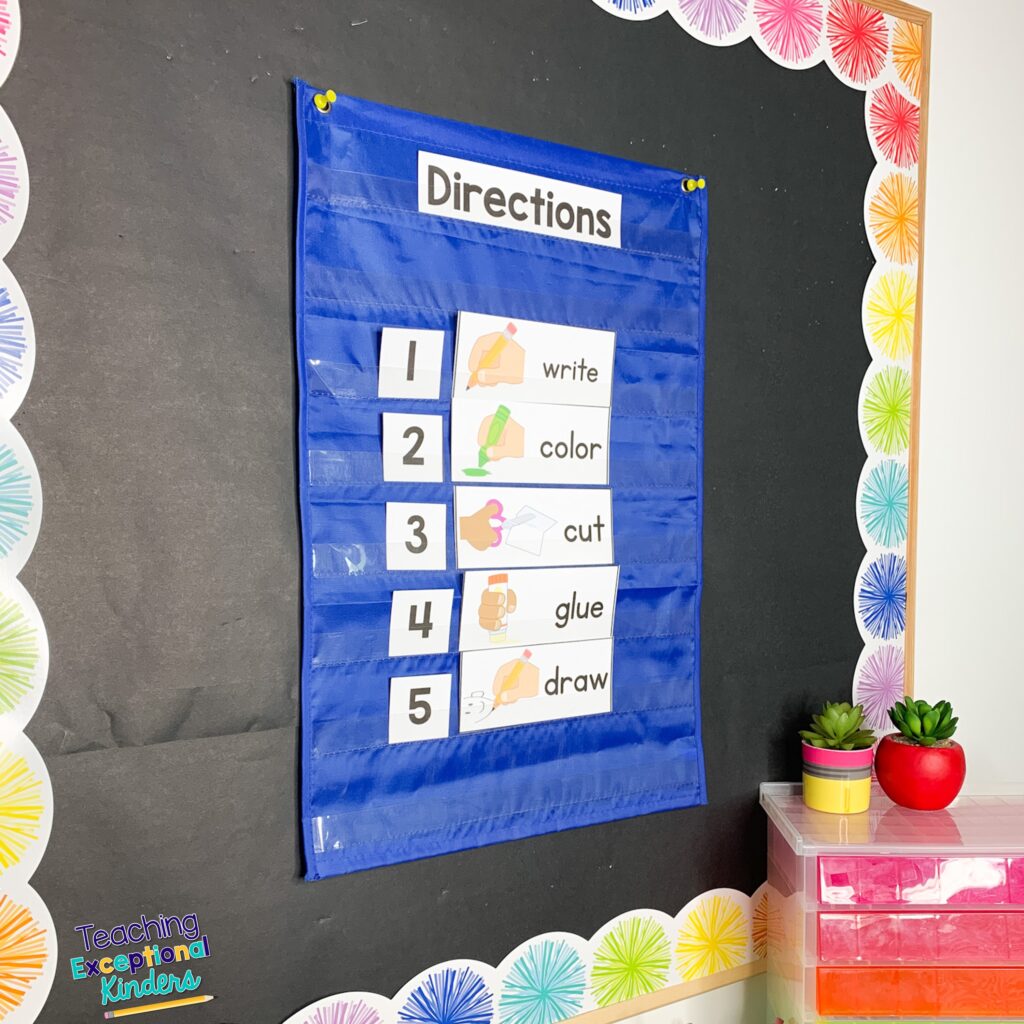
Another way that students police each other is when it comes to teacher directions. They will notice a peer doing something differently than they are and will argue about who is actually following directions. Visual supports can be very helpful in preventing this! Students can defer to picture direction cards rather than argue about how they are supposed to do the task.
5. Preventing Competitive Conflicts
Finally, one of the roots of conflict among students is competition. This doesn’t have to mean organized games or activities, either. It also goes beyond being first in line or first to finish a worksheet. Ultimately, students compete for the attention of the teacher and their peers. This can fuel conflict over time.
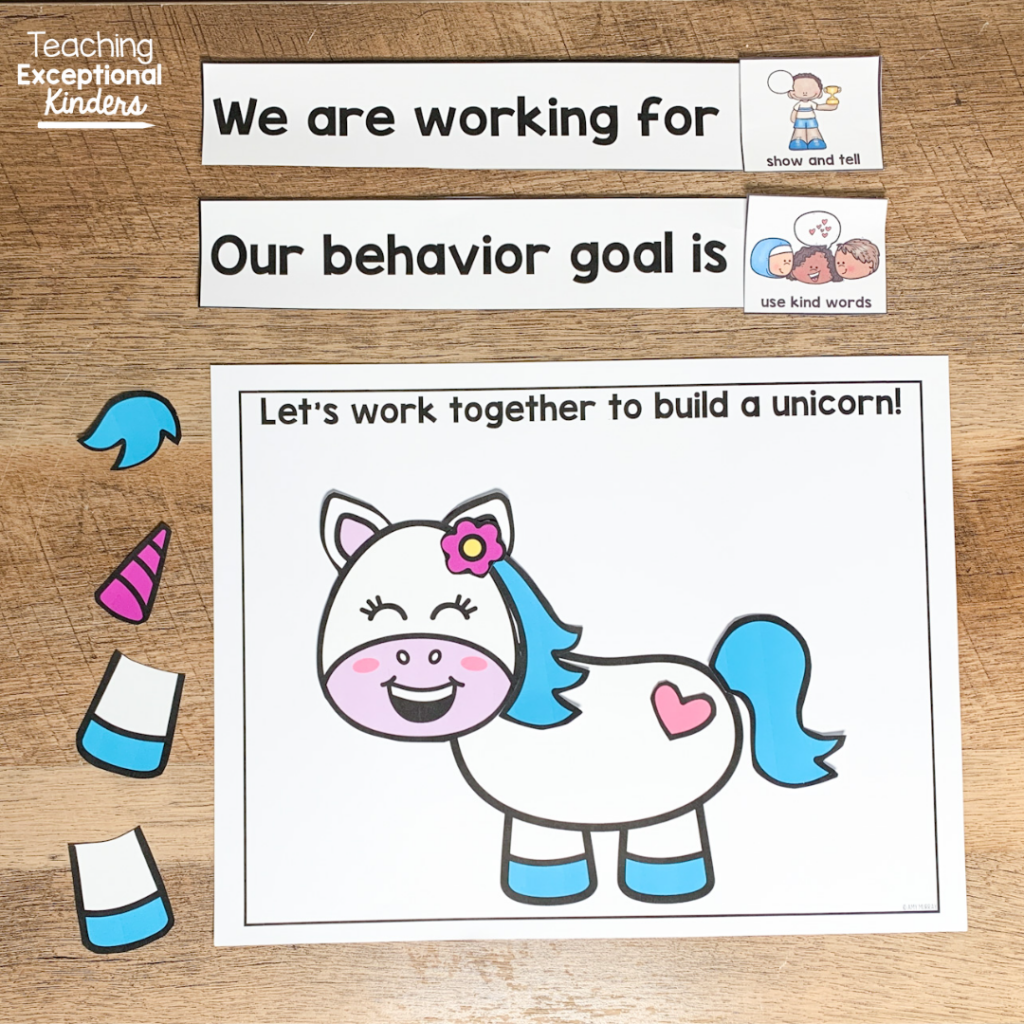
One of the best ways to prevent conflict from competitiveness is to encourage teamwork in the classroom. One of my favorite ways to do this is with a whole-class reward system. When the students are working toward a common goal, they are less likely to feel competitive about the positive attention their peers get during the day. When a student is recognized for working quietly by adding a piece to the class reward chart, the rest of the class will be excited to be one step closer to the reward!
Kindergarten Behavior Blueprint
Effective classroom management can have a large impact on the amount of student conflicts that arise during the school day. If you’d like to create a classroom environment with less bickering and tattling, you’ll definitely want to check out the Kindergarten Behavior Blueprint.
This self-paced video course teaches you a framework that will help you build a strong foundation for classroom management. It includes over $500 worth of printables that you can use to keep your classroom running smoothly all year long. From reward charts to visuals aids, you’ll find a library of resources that will help you create a classroom environment that won’t leave you feeling drained at the end of each day.
Just click below to take a closer look at everything included in the Kindergarten Behavior Blueprint!
Save These Tips for Preventing Conflicts Among Students
Be sure to save this post if you’d like to come back to it later! Just add the pin below to your favorite board of kindergarten ideas on Pinterest. You’ll be able to quickly find these tips and resources when you’re looking for ways to help your students get along better in the classroom.
