
Kindergarten is the grade level where students grow and change the most over the course of the school year. This is especially true when it comes to behavior! After a successful year of growth, it’s easy to forget how hectic that first week of kindergarten was until you’re faced with a room full of brand-new kindergarten students the following year. In this post, I’m going to share some kindergarten behavior strategies for the first week of school that will help you start the year strong!

Kindergarten Behavior Strategies for the First Week
The first week of kindergarten is a whirlwind! It’s easy to chalk up behavior challenges to the fact that it’s the beginning of the school year, but there are definitely things that you can do to lay a foundation for positive behavior in your classroom from day one. Your first week doesn’t have to be total chaos! Here are five important strategies to consider as you prepare for the beginning of the year in kindergarten:
1. Start from Square One
The most important behavior management strategy for the beginning of the year is to start from square one. Remember – kindergarteners may have zero school experience, so you’ll have to teach them how to do everything! When you assume that students have knowledge of even the most common expected classroom behaviors, you’re setting yourself up for a tough first week!
Even if your students have some preschool classroom experience, they likely had a much smaller teacher-to-child ratio. They haven’t yet learned how to be in a classroom with a larger number of peers. So it’s best to take things back to square one and teach all of the expected behaviors throughout your daily routine.
2. Model Your Expectations
The best way to teach your behavior expectations is through modeling. Not only does this give students an example to follow, but it also limits the verbal instructions. The less language we use to explain things to kindergarteners, the better! This levels the playing field for students who are learning English as well as students with language processing challenges.
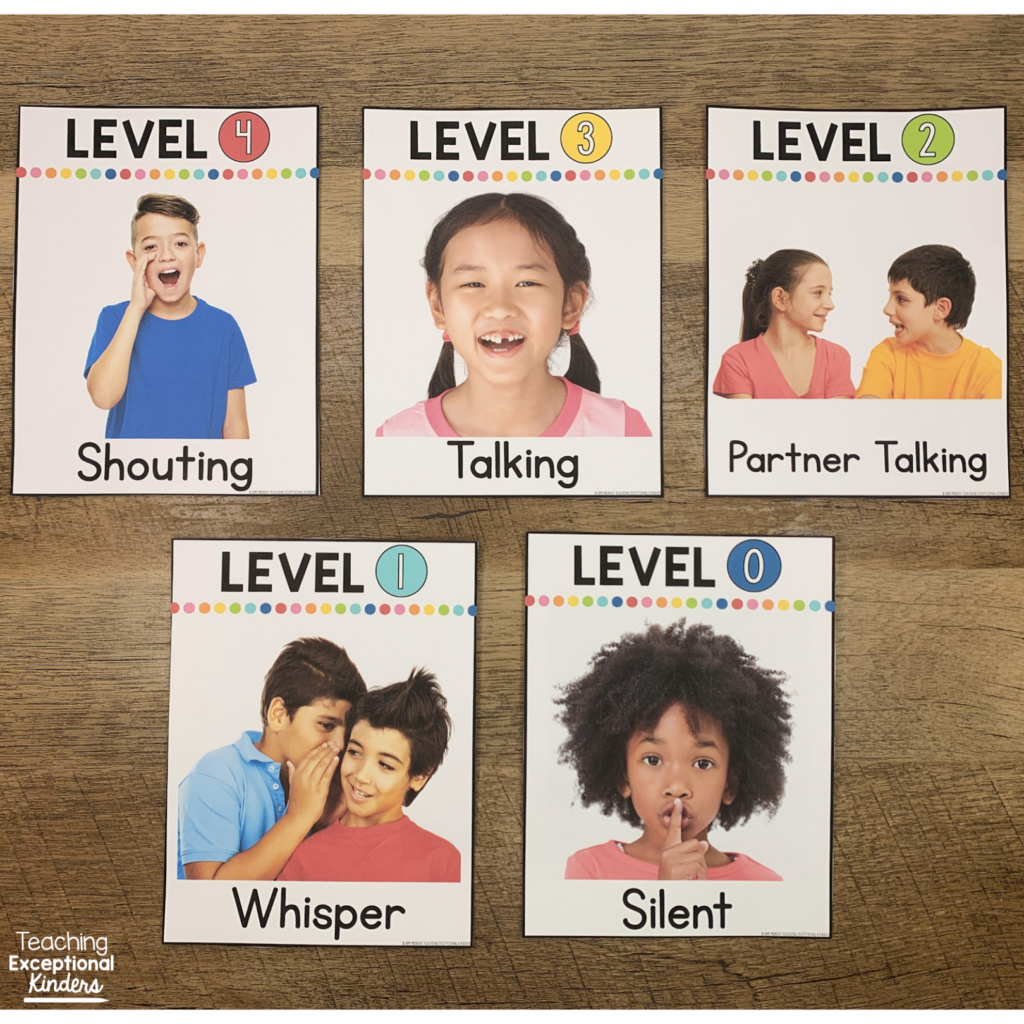
I like to use the I Do – We Do – You Do approach for teaching classroom rules and expectations. For example, if I were trying to teach students about classroom voice levels before seat work time, I would start by modeling a Level One voice level by speaking to them at that volume at the carpet. Then, I would invite them to practice with a partner while still sitting at the carpet. Then, I would send them back to their tables for a dry run of seat work time using a Level One voice.
3. Have a Plan for Simple Procedures
It’s important to have a plan for teaching all of the simple procedures to your students during the first week. Think about the first time your students will participate in that procedure and consider how you will teach it. How much time will you need? Where will you teach it? How will the I Do – We Do – You Do modeling work for each of these procedures?
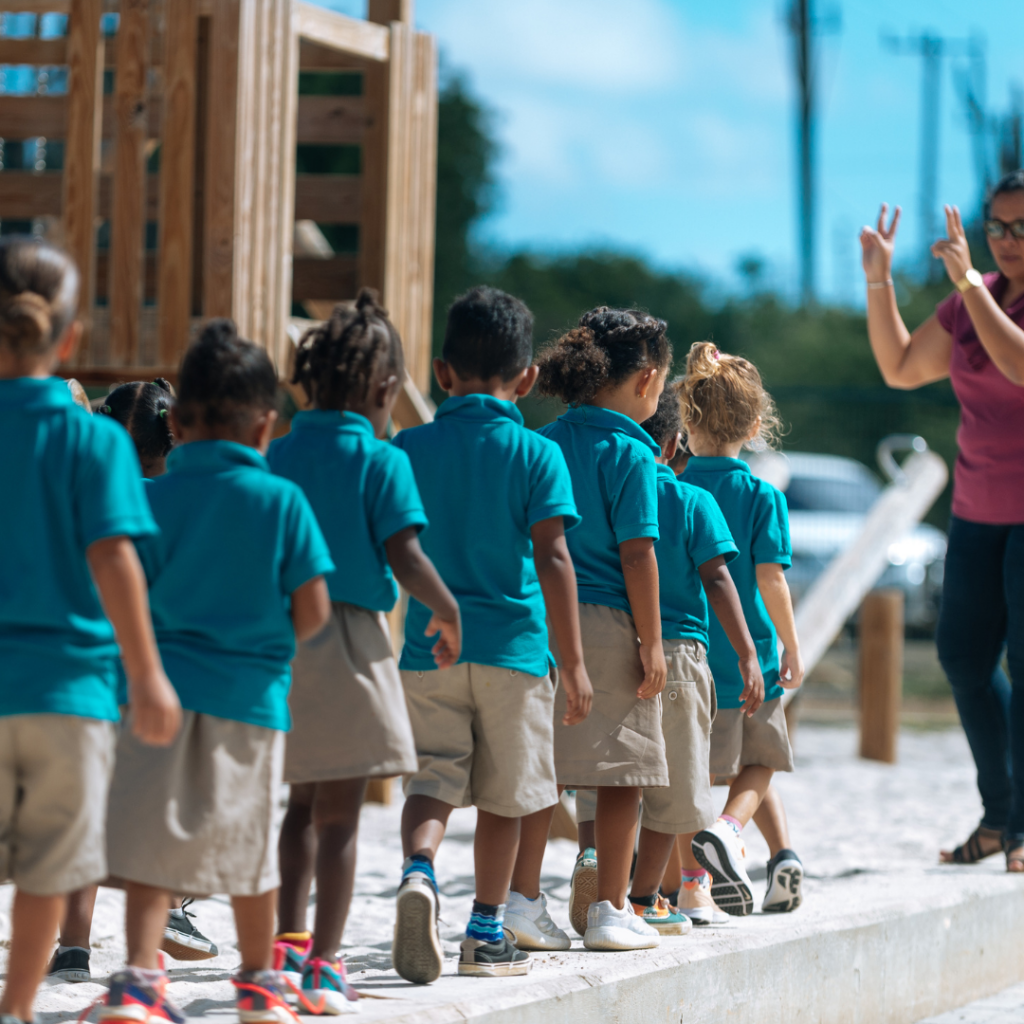
By making a plan for the different procedures you want to teach during the first week, you’ll be laying a foundation for a successful school year. You can even create a list of the procedures you want to teach and then cross them off as they’re introduced. You could also highlight the first time each procedure pops up in your lesson plans; this will serve as a visual reminder to think about how to teach the expectations for that procedure. This could include anything from lining up for lunch to using scissors safely.
4. Use Visual Supports
Visual supports are such a powerful behavior strategy for kindergarten students. As I’ve mentioned already in this post, the less language we use in the classroom, the better! Visuals allow you to communicate and reinforce behavior expectations without feeling like a broken record.
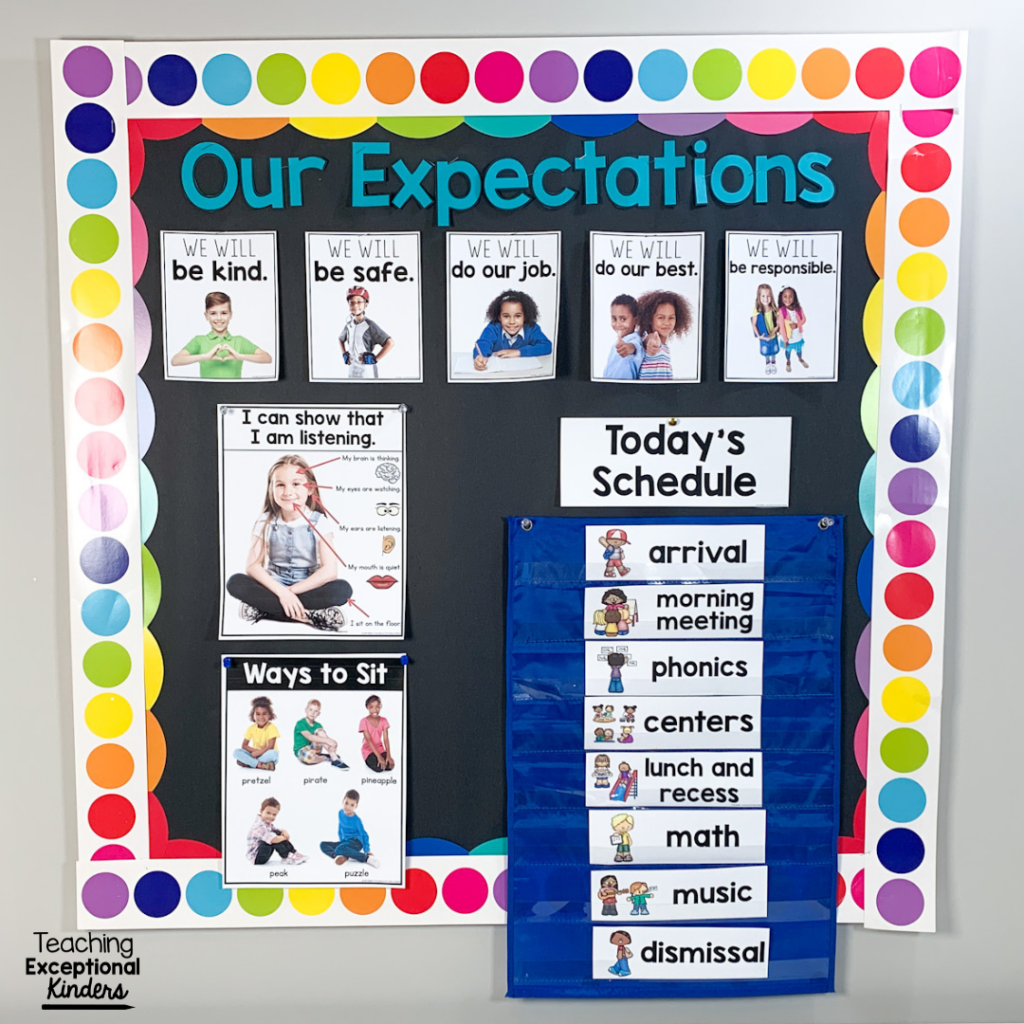
You can use visuals to outline the steps in classroom routines, which can keep students focused and on task. You can also use visuals to demonstrate expectations, so you can quickly point to the visual as a reminder for students who aren’t demonstrating the expected behavior. No matter how you decide to use visuals, I know that this will go a long way in supporting behavior management in your classroom.
5. Celebrate Success
The final strategy for supporting behavior during the first week of school is to celebrate success by reinforcing positive behavior choices. If young students want your attention, they will behave in a way that appears to get your attention. By showing your class that you recognize and appreciate positive behavior more than challenging behavior, your students will be more likely to replicate those positive behaviors.
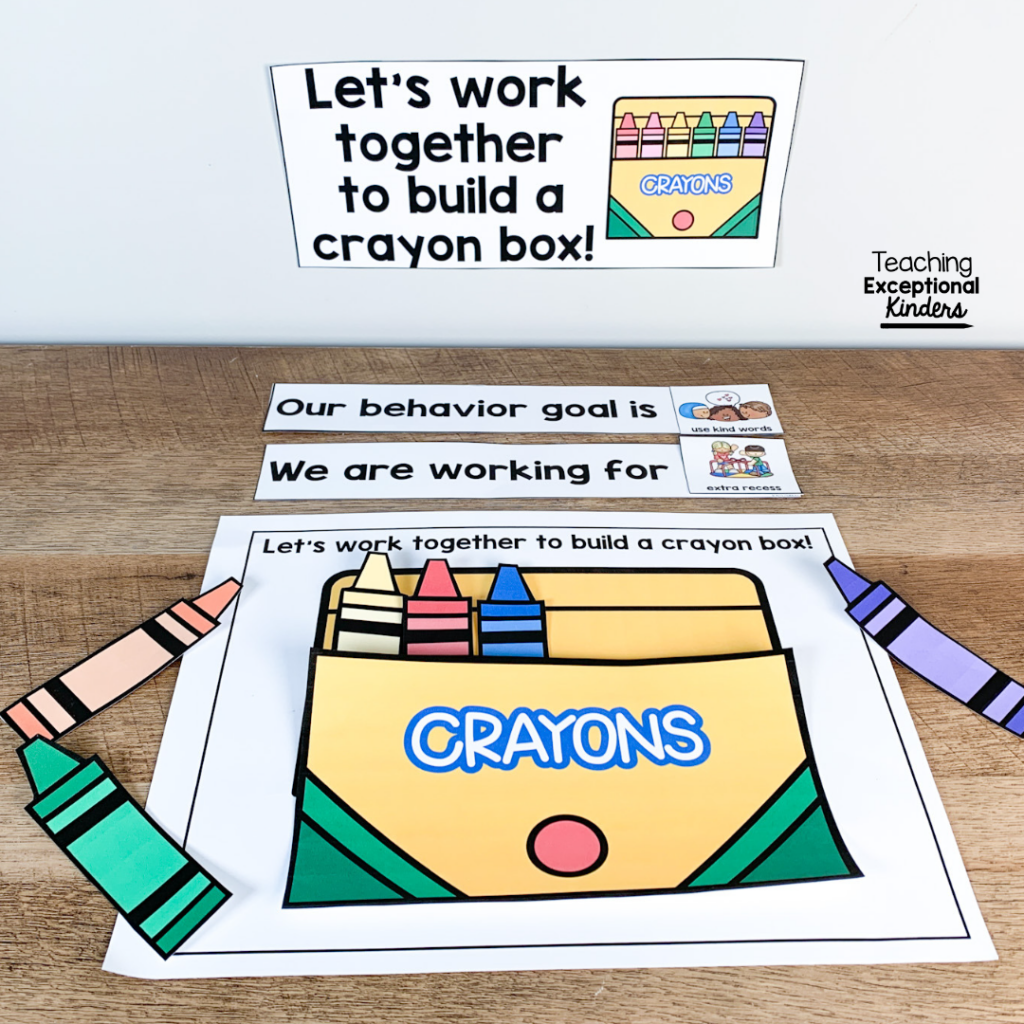
Celebrating success can come in many forms! I like to use a simple whole-class reward system where we work towards a reward by demonstrating a specific behavior. Students are recognized when they exhibit the positive behavior and can add a piece to the reward chart. Once the chart is complete, they earn the reward. Glow notes are another excellent way to recognize students for positive behavior!
First Week of Kindergarten Workshop
I have put together a workshop with everything you need to support student behavior during the first week of school. In the First Week of Kindergarten Workshop, I share all my tried-and-true tips and resources to help you start the year off on the right foot! This includes editable lesson plans for the first week, visual schedule cards, picture direction cards, and more.
This workshop is now available on-demand so you can watch it whenever it works best for you! Just click below to take a closer look at everything included and to gain access whenever you’re ready.

Save These Behavior Strategies for Kindergarten
Be sure to save this post if you’d like to come back to it later! Just add the pin below to your favorite teaching board on Pinterest. You’ll be able to quickly find these kindergarten behavior strategies when you’re working on your lesson plans for the first week of school.
