Teaching in kindergarten can be draining, especially when the classroom feels like it’s in a state off barely-managed chaos all day. Teachers in this situation might turn to class behavior charts as a solution, but often find that the systems they choose don’t “stick” for one reason or another. If you’re looking for a way to improve behavior in your classroom, I’ve got some tips for creating class behavior charts that ACTUALLY work!
The Benefits of Class Behavior Charts
Class behavior charts can have a huge impact on kindergarten classroom management! They can encourage students to make positive choices throughout the daily routine, which can make the whole school day run more smoothly. Classroom behavior charts can also help you maintain classroom expectations by acknowledging your students’ efforts to meet them.
Unfortunately, many teachers give up on class behavior charts before they can truly experience the benefits of these tools! That’s why I’m sharing some tips for creating class behavior charts that actually work.
5 Tips for Creating Class Behavior Charts
1. Build Relationships First
Creating a class behavior chart doesn’t start with simply choosing a reward system from Pinterest. Instead, it starts with building relationships with your students first. You can’t expect buy-in for a class behavior chart if students aren’t first invested in the classroom community. Building a relationship with your students is one of the most important things you can do to create a solid foundation for your class behavior chart. We can’t expect students to behave for teachers they don’t like!
I have always disliked the advice to “build relationships” with students because people rarely follow it up with actionable tips. That’s why I created an entire blog post with tips for building strong student relationships. Be sure to check it out if you’d like some ideas for where to start in building relationships in your classroom.

2. Focus on the Positive
Once you’re ready to choose a class behavior chart, it’s important to choose one that allows you to focus on the positive things your students are doing. When you point out and reward students for making good choices, they will naturally make more positive choices as a result.
This is one of the reasons why I think behavior clip charts are so ineffective. Publicly addressing negative behavior choices by having a student move their clip adds a negative tone to the classroom. Some students might even welcome the opportunity to move their clip for negative behavior due to the attention it brings!
3. Encourage Teamwork
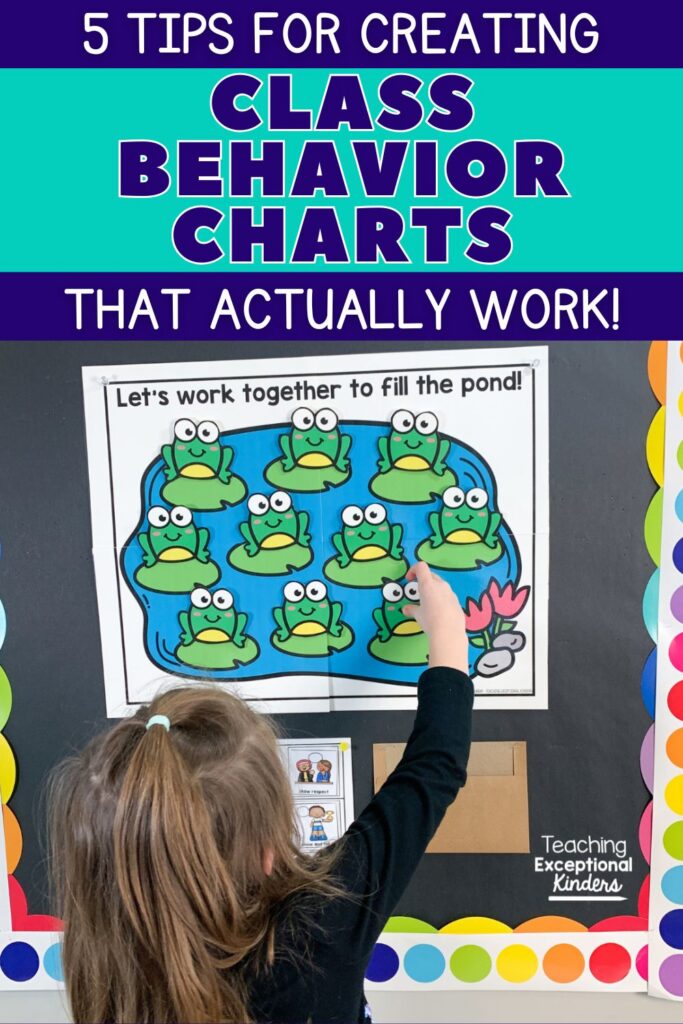
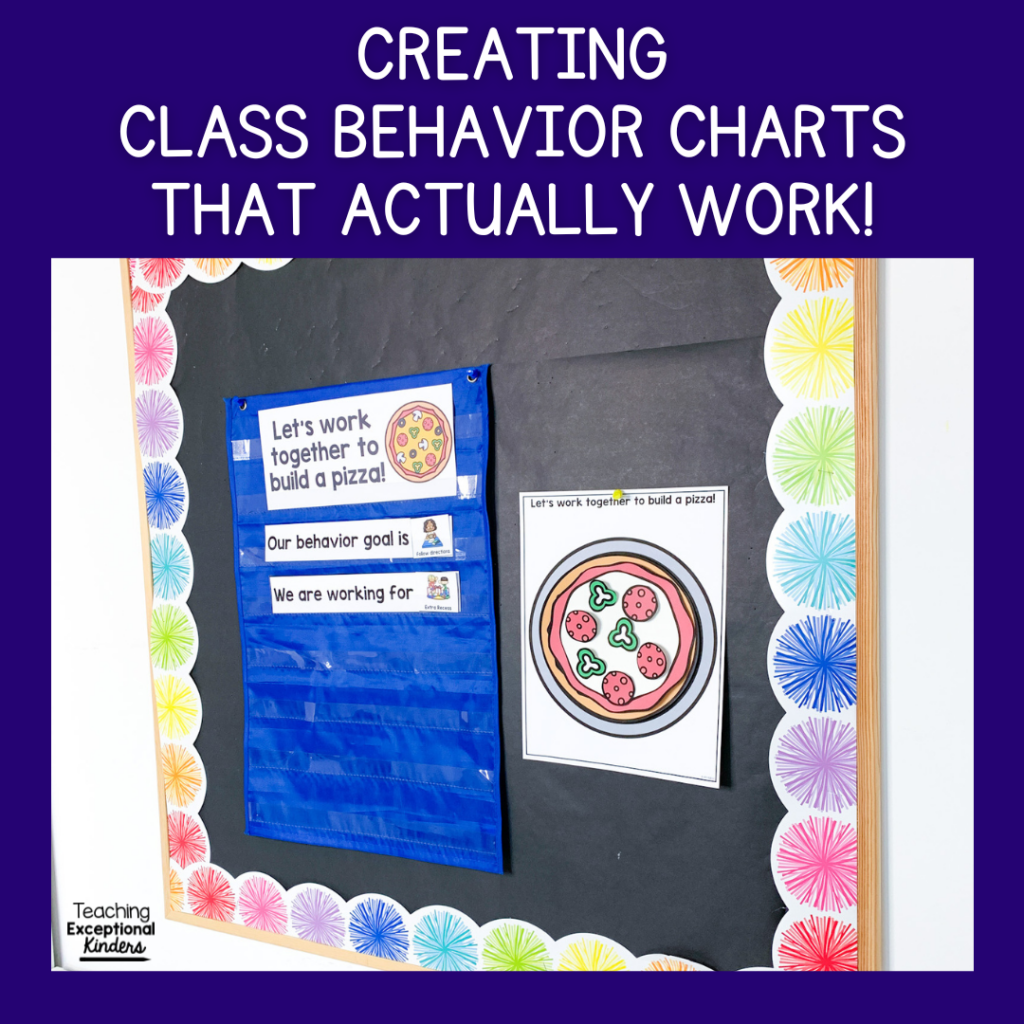
The most effective class behavior charts encourage students to work toward a common goal. This is why I love Build-a-Reward charts! The class can work on building an object or filling in a scene by demonstrating positive behavior.

Rather than focusing on subjective criteria like “make good choices”, you can identify a specific goal that your class as a whole needs to work on. This will become the behavior that you watch for throughout the day. When you see a student demonstrating that behavior, you can invite them to add a piece to the reward.
When the chart is complete, the class earns the predetermined reward. By working on the reward chart together as a class, students will be eager to help the class get closer to the reward with their behavior.
4. Be Consistent
Once you’ve chosen a system that focuses on the positive and encourages your students to work together, it’s time for the next key to an effective behavior chart: Consistency. A reward chart is only effective when you actually use it!
One of the easiest ways to derail a behavior chart is to be inconsistent in its implementation. Kindergarten students thrive on consistency! It doesn’t take long for them to notice that a new piece hasn’t been added to the reward chart in a while. Inconsistency in delivering the reward once the class has earned it can also impact student buy-in for the behavior chart.

5. Keep It Fresh
One of the drawbacks of consistency and repetition is that things have a tendency to grow stale over time. That’s why it’s helpful to use a class behavior chart that you can easily adjust to keep that from happening. One of my favorite ways to keep a class behavior chart fresh is to swap it out for the seasons as the school year progresses.
For example, my Build-a-Reward system includes many different seasonal objects and scenes that the class can build as they demonstrate the target behavior. However, the overall format remains the same, so students always know what is expected of them and what reward they’re working toward. This is an easy way to balance the consistency young students need with the novelty they crave.
I hope that these five tips have given you some food for thought as you create a class behavior chart for your kindergarten students!
Kindergarten Behavior Blueprint
A class behavior chart is just one of many things that you can do to keep behavior under control in your kindergarten classroom. In fact, I have put together an entire self-paced course with even more tips and tools for kindergarten behavior management!
In the Kindergarten Behavior Blueprint, you’ll get instant access to an organized library of video trainings that will help you build a strong foundation for behavior management in your classroom. You will also receive access to printable resources that will help you put these tips into practice in your own classroom.
The Kindergarten Behavior Blueprint is designed to give you all the tools and strategies you need for successful classroom management. Just click below to take a closer look at everything included in the course.
Save These Tips for Class Behavior Charts
Be sure to save this post so you can come back to it later! Just add the pin below to your favorite Pinterest board of kindergarten ideas. You’ll be able to quickly find these classroom management tips when you’re ready to set up your own class behavior charts.