

Spring temperatures seem to bring out silly behavior and restless kindergarteners. In fact, it’s something that teachers refer to as “spring fever” because it happens like clockwork every year, as the weather improves and the flowers begin to bloom. In this post, I’m going to share tips for how to deal with spring fever in kindergarten.

Spring Fever in the Kindergarten Classroom
Teachers of all grade levels will tell you that spring fever is a phenomenon that they experience in their classrooms. However, it’s often a bit more challenging in the kindergarten classroom. Here are a few things that can make spring fever such a hurdle for kindergarten teachers:
- Self-Regulation: Kindergarteners are still working hard to improve their self-regulation skills, which can become more challenging for them when they have this burst of energy from the warmer spring weather!
- Anticipation: Young students are still developing their sense of time, which can add to the spring fever challenges. They know that warmer weather means summer vacation, which they are eagerly anticipating. However, it’s often several weeks (if not months) before the end of the year. This additional anticipation can add to the spring fever challenges in a kindergarten classroom.
- Restlessness: We know that kindergarten students thrive on consistency and routine, but this can become a bit stale for them by the time spring rolls around. This can cause restlessness and increase spring fever behavior issues.
- Change: Even though consistency and routine can become stale, the busy spring months can also create inconsistency through schedule changes. Whether it’s field trips, assemblies, or special guests, your kindergarteners will likely experience a lot of schedule changes during the spring months. Since young students don’t always handle these changes very well, this can also add to the chaos of spring fever!
How to Deal with Spring Fever in Kindergarten
When something is as predictable as spring fever, you can be prepared! Here are five things that you can do to make this challenging time of year go a bit more smoothly:
1. Review Rules and Expectations
One of the first steps in dealing with spring fever in kindergarten is to go back to the basics: Review the classroom rules and expectations. With the “newness” of spring, students might try to embrace a “new normal” in their classroom behavior.
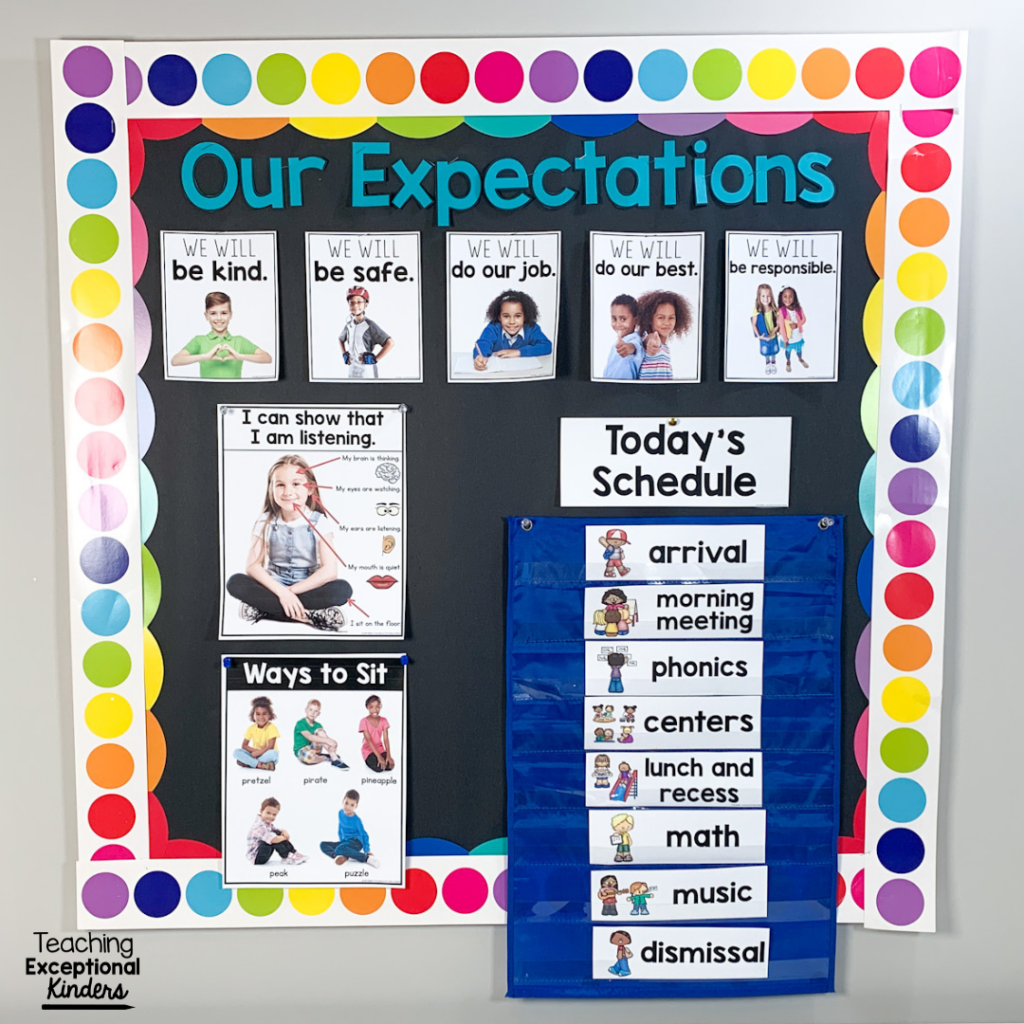
This is an important time to remind students that the rules haven’t changed. If you have your classroom expectations posted in the classroom, refer to these visuals regularly as a reminder to your students.
2. Reinforce Positive Behavior Choices
Once you’ve had a chance to review the classroom rules and expectations with your students, it’s time to double down on your efforts to recognize students who are meeting those expectations. By reinforcing the positive behavior choices that are being made in your classroom, students are more likely to make those choices.

Positive reinforcement can also bring a much-needed boost of positive energy to your classroom. When you’re only addressing the negative behaviors that happen in the classroom, that becomes the only thing you see. When you actively look for positive behavior to recognize, you’re more likely to see all of the good things that are happening in your classroom. This small change can go a long way in helping you deal with spring fever!
3. Maintain Simple Consistency
It can be easy to get caught up in the fresh spring energy and add new things to the daily routine. However, this is a time of the school year when young kindergarten students need the simple consistency that has worked so well for them up to this point. There are ways to bring some variety to your daily routine to keep students engaged while still maintaining the schedule they’re used to. This will ensure that your class can benefit from a consistent routine among the rest of the seasonal excitement.
4. Use a Fresh Reward Chart
One of the ways you can bring that much-needed variety to your classroom during the spring months is to use a fresh reward system. You can easily change the format of your reward chart while still maintaining the overall system.

For example, if you have been using Build-a-Reward charts throughout the year, you might decide to try a ten frame reward chart to shake things up. Students will still be working toward a reward by demonstrating a target behavior. The format of tracking their progress toward the reward will be what changes. Sometimes this small difference is all you need to maintain student buy-in for your whole group reward system.
5. Incorporate the Season
Use your students’ excitement for the spring season and their anticipation for summer to your advantage! By incorporating elements of the season into your whole-class behavior system, you can grab your students’ attention and increase buy-in. Fun seasonal reward charts are an easy way to add some spring and summer fun to your classroom without sidelining your daily routine.

A Toolkit for Kindergarten Behavior Management
One of the best ways to combat spring fever is to have a wide variety of behavior management tools available to try. This keeps things fresh while still maintaining consistent expectations in your classroom.
I’ve put together the Kindergarten Behavior Blueprint, a self-paced course that’s designed to give you all the tools and strategies you need for successful classroom management. In addition to the video lessons, you’ll also receive the entire Teacher Classroom Management Toolkit of printables to support behavior in your classroom. The lessons and printable resources go hand-in-hand to help you create a classroom management system that works for you and your students!
Just click below to take a closer look at everything included in the Kindergarten Behavior Blueprint.
Save These Tips for Kindergarten Spring Fever
Be sure to save this post if you’d like to come back to it later! Just add the pin below to your favorite kindergarten board on Pinterest. You’ll be able to quickly find these tips and resources when spring fever hits your classroom!
